

Send Message
Privacy statement: Your privacy is very important to Us. Our company promises not to disclose your personal information to any external company with out your explicit permission.
 Qingdao Yizhou bearings technology co., ltd
Select Language
English


A tensioner bearing is a critical component in modern automotive engine accessory drive systems, specifically designed to maintain optimal belt tension in serpentine or timing belt configurations. Unlike standard bearings that simply support rotation, the tensioner bearing must withstand high radial loads while accommodating dynamic movement.
These bearings are engineered to absorb vibration and dampen noise generated by the belt system. By maintaining consistent tension, they prevent belt slippage, reduce wear on other pulleys, and ensure reliable power transmission from the crankshaft to accessories like the alternator, water pump, and air conditioning compressor.
For procurement specialists, understanding the specific application of each tensioner bearing—whether for serpentine or timing systems—is essential for selecting the correct replacement part that meets OEM specifications for durability and performance.
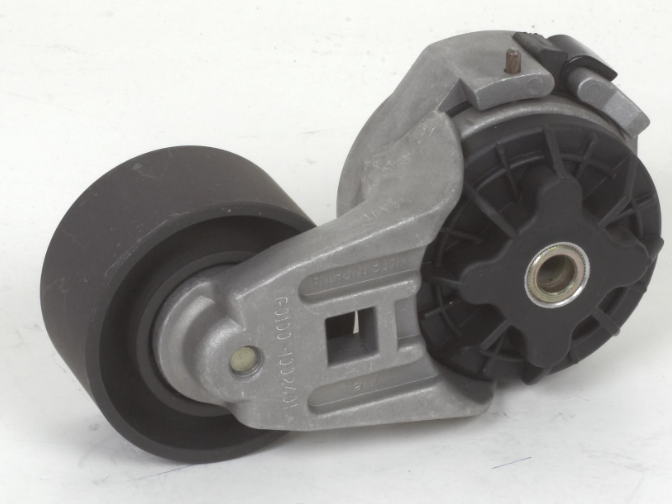
At Qingdao Yizhou Bearing Technology Co., Ltd. (YZHB), our manufacturing process for tensioner bearings adheres to the highest international standards. With a 35-year history and ISO 14001 certification, we combine traditional expertise with modern precision engineering.
Our tensioner bearings are manufactured using advanced CNC grinding technology, ensuring dimensional accuracy within microns. This precision minimizes friction and heat generation, extending service life and reducing maintenance costs for fleet operators.
Since 2014, we have implemented Toyota's lean production model across our 40,000 square meter facility. This approach eliminates waste, reduces lead times, and ensures consistent quality batch-to-batch, providing you with reliable supply chain stability.
Every tensioner bearing undergoes rigorous testing including noise/vibration analysis, load testing, and material verification. Our 300 high-end technicians oversee these processes to guarantee compliance with OEM specifications for automotive applications.
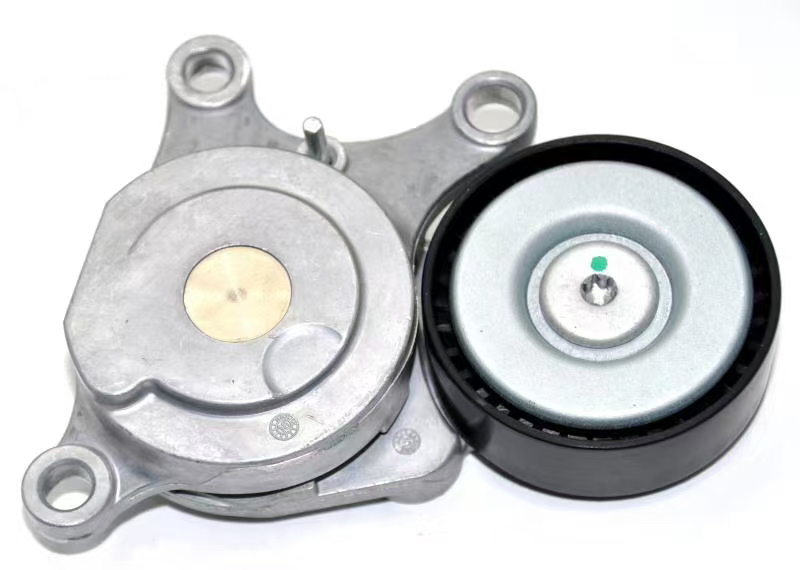
Selecting the correct tensioner bearing requires careful consideration of several technical factors. As a buyer, focusing on these key parameters will help you avoid costly misfits and ensure optimal engine performance.
Verify whether your application requires a needle roller, deep groove ball, or angular contact bearing. Mismatched types can lead to premature failure under high-load conditions.
High-quality steel alloys and effective sealing systems are crucial for resisting contaminants like dust, water, and grease. Look for bearings with robust seals to maximize service intervals.
Ensure the replacement bearing matches the original equipment manufacturer's specifications for dimensions, load capacity, and speed ratings to maintain warranty validity and performance.
Use this checklist to evaluate potential suppliers and products before making bulk purchasing decisions. This structured approach helps mitigate risk and ensures alignment with your operational requirements.
Procuring tensioner bearings presents unique challenges. Understanding these common pitfalls helps buyers make informed decisions and avoid costly mistakes.
The market contains counterfeit bearings that appear authentic but fail prematurely. Always purchase from authorized distributors or directly from manufacturers with verifiable track records.
Using non-OEM replacements without verifying specifications often leads to installation issues and poor performance. Double-check part numbers and technical data before ordering.
Variations in quality between batches can cause unpredictable field failures. Work with suppliers who maintain strict quality control and provide consistent product performance.
Tensioner bearings serve critical roles across multiple industries beyond automotive. Their versatility makes them essential components in various mechanical systems requiring precise belt tension management.
The primary application lies in passenger vehicles, commercial trucks, and heavy-duty engines. Modern engines rely on tensioner bearings for efficient power transmission to accessories while minimizing noise and vibration.
Manufacturing equipment, agricultural machinery, and mining operations utilize tensioner bearings in conveyor systems, compressors, and pumps where reliable belt drive performance is critical for productivity.
Medical devices, precision instruments, and robotics require high-precision tensioner bearings that offer low friction and long service life in demanding operational environments.
Marine engines and propulsion systems use specialized tensioner bearings designed to resist corrosion and withstand harsh environmental conditions typical of marine operations.
Qingdao Yizhou Bearing Technology Co., Ltd. offers compelling advantages for global buyers seeking reliable tensioner bearing solutions. Our combination of experience, scale, and commitment to quality positions us as an ideal partner.
With 35 years of industry experience and a 4 million dollar investment, YZHB has established itself as a trusted supplier to internationally renowned auto parts companies and vehicle manufacturers worldwide.
Our lean production model and direct manufacturing capabilities enable us to offer highly competitive prices without compromising on quality. This cost advantage helps you improve margins while maintaining product reliability.
We actively serve markets in Russia, Central Asia, Southeast Asia, Africa, and the Middle East. Our extensive export experience means we understand international shipping, documentation, and compliance requirements.
Our team of 100 sales professionals provides personalized support throughout the procurement process. From technical consultation to after-sales service, we ensure a seamless buying experience for every customer.
Get answers to common questions about tensioner bearing selection, installation, and maintenance to streamline your procurement process.
Unlike regular bearings that primarily support rotating shafts, tensioner bearings are specifically designed to maintain belt tension in engine accessory drive systems. They must handle higher radial loads, accommodate dynamic movement, and resist vibration and noise more effectively than standard bearings.
Replacement intervals vary by manufacturer and application, but generally align with belt replacement schedules. Most OEMs recommend inspecting tensioner bearings during belt changes and replacing them if any signs of wear, noise, or roughness are detected. Following recommended maintenance intervals helps prevent unexpected failures.
Yes, high-quality aftermarket tensioner bearings from reputable manufacturers can perform equivalently to OEM parts. The key is ensuring exact dimensional compatibility, proper material specifications, and adequate load ratings. Working with experienced suppliers like YZHB ensures you receive products that meet or exceed OEM standards.
Modern tensioner bearings typically use high-carbon chromium steel for the rolling elements and rings, providing excellent hardness and fatigue resistance. Seals are usually made from nitrile rubber or fluorocarbon compounds depending on temperature requirements. Some applications may use ceramic hybrid bearings for enhanced performance.
YZHB implements Toyota's lean production model combined with ISO 14001 certified quality management systems. Our 300 technicians perform rigorous testing on every batch, including dimensional checks, load testing, and noise/vibration analysis. This systematic approach ensures consistent quality across all production runs.
About Us
Related Products List
Contact Us

Send Inquiry
Privacy statement: Your privacy is very important to Us. Our company promises not to disclose your personal information to any external company with out your explicit permission.
Fill in more information so that we can get in touch with you faster
Privacy statement: Your privacy is very important to Us. Our company promises not to disclose your personal information to any external company with out your explicit permission.