

Send Message
Privacy statement: Your privacy is very important to Us. Our company promises not to disclose your personal information to any external company with out your explicit permission.
 Qingdao Yizhou bearings technology co., ltd
Select Language
English


Spherical plain bearings are self-aligning sliding contact bearings designed to handle oscillating, tilting, and slow rotational movements in heavy-duty applications. Unlike rigid ball bearings, these components feature an inner ring with a spherical convex raceway and an outer ring with a matching concave raceway. This unique geometry allows the bearing to accommodate misalignment caused by shaft deflection or mounting errors, significantly extending service life in demanding environments.
These bearings are critical components in industries where reliability is paramount. They are extensively used in hydraulic cylinders, steering systems for trucks and buses, agricultural equipment linkages, and industrial pivot points.
By selecting the correct spherical plain bearing, engineers can ensure smooth operation even under severe shock loads and contaminated conditions.
At Qingdao Yizhou Bearings Technology Co., Ltd. (YZHB), manufacturing precision meets rigorous quality control. With 35 years of industry heritage and ISO 14001 certification, our production facilities adhere to international standards that guarantee consistent performance.
Since 2014, we have implemented Toyota's lean production model across our 40,000 square meter facility. This approach minimizes waste while maximizing output quality, ensuring that every spherical plain bearing meets tight tolerances.
Our team includes 300 high-end technicians who oversee every stage of production, from raw material selection to final inspection. This expertise ensures that our bearings deliver superior load capacity and durability compared to standard market alternatives.
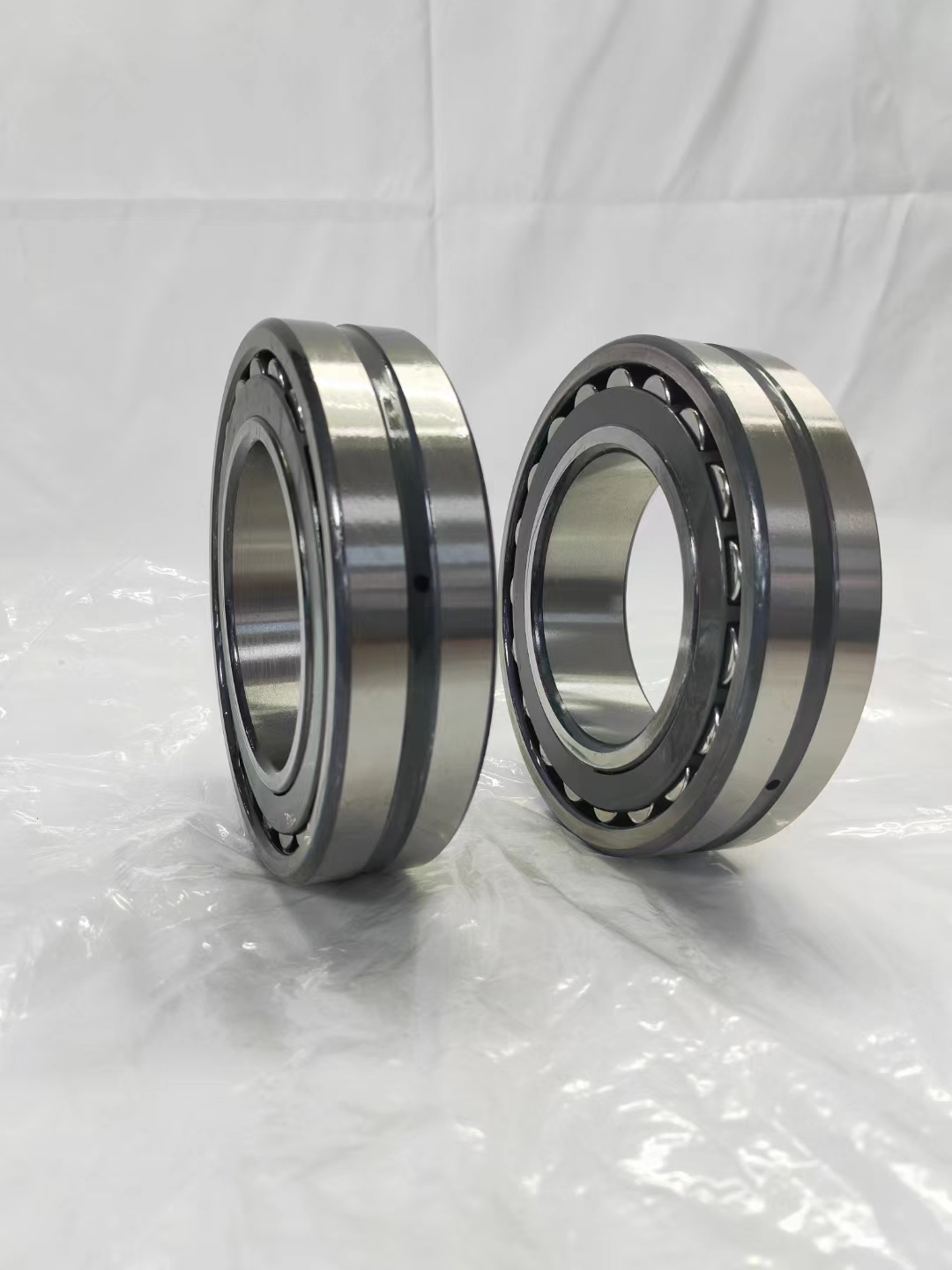
Selecting the optimal spherical plain bearing requires careful consideration of your application's specific demands. The wrong choice can lead to premature failure, increased maintenance costs, and operational downtime.
Determine the magnitude and direction of loads. Spherical plain bearings excel in handling combined radial and axial loads. Ensure the static load rating exceeds your maximum expected load to prevent deformation.
Assess the degree of misalignment in your system. If your application involves significant angular movement, choose bearings with larger contact angles and robust self-alignment capabilities.
Consider exposure to dust, moisture, and temperature extremes. For harsh environments, opt for sealed designs with specialized materials like composite liners that resist corrosion and wear.
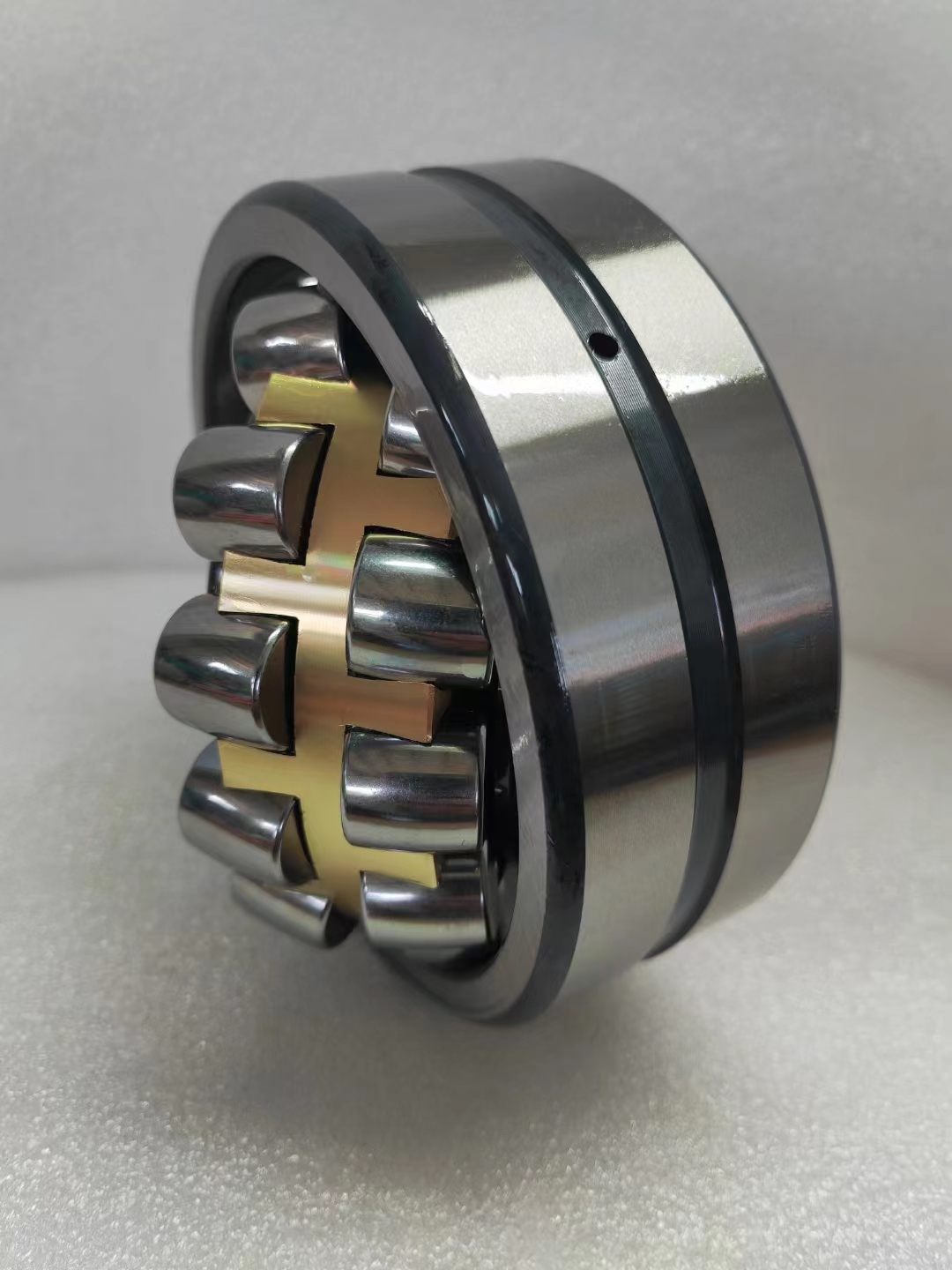
Before finalizing your procurement order, use this checklist to verify that your supplier meets all critical requirements for quality, reliability, and support.
Procuring spherical plain bearings can be challenging due to variations in quality and specification accuracy. Understanding these common pitfalls helps buyers avoid costly mistakes and ensure long-term operational efficiency.
Problem: Incorrect bearing selection leads to excessive wear and premature failure due to improper alignment compensation.
Solution: Conduct thorough engineering assessments to determine required alignment angles. Partner with suppliers who offer technical guidance on proper installation and selection.
Problem: Low-quality materials corrode or wear quickly in harsh environments, leading to frequent replacements.
Solution: Specify bearings made from high-grade steel with appropriate surface treatments. Verify material certifications and request sample testing before bulk orders.
Problem: Unreliable suppliers cause production delays and inventory shortages.
Solution: Choose established manufacturers with proven track records and scalable production capabilities. Review their financial stability and client portfolio.
Problem: Suppliers without engineering expertise fail to provide adequate installation guidance.
Solution: Prioritize suppliers with dedicated technical teams who can assist with troubleshooting, maintenance planning, and custom solution development.
Spherical plain bearings are indispensable components across multiple heavy industries. Their ability to handle complex movements and extreme loads makes them ideal for critical applications where failure is not an option.
Used in steering systems, suspension components, and chassis linkages. These bearings ensure precise control and durability in vehicles ranging from passenger cars to heavy commercial trucks.
Essential in tractors, harvesters, and planting equipment. They withstand dusty conditions and heavy loads while maintaining smooth operation in field environments.
Critical in excavators, cranes, and bulldozers. These bearings handle shock loads and continuous movement in demanding construction sites.
Used in drilling rigs, conveyor systems, and processing equipment. Their robust design resists contamination and extreme pressures typical in mining environments.
Applied in robotic joints, positioning systems, and precision machinery. They enable smooth, accurate movements in automated manufacturing processes.
Utilized in steering gears, winches, and hatch covers. Corrosion-resistant variants ensure reliable performance in saltwater environments.
Choosing the right supplier is as critical as selecting the right bearing. Evaluate potential partners based on their manufacturing capabilities, quality systems, and global reach to ensure long-term success.
Prioritize suppliers with decades of industry experience. Companies like Qingdao Yizhou Bearings Technology Co., Ltd. bring 35 years of expertise, ensuring deep understanding of bearing engineering and application requirements.
Large-scale facilities with thousands of employees can handle substantial OEM orders reliably. Look for manufacturers with extensive square footage and advanced production lines capable of meeting high-volume demands.
Suppliers with established international sales networks can serve diverse markets effectively. Check if they have experience exporting to regions relevant to your operations, including Russia, Central Asia, Southeast Asia, Africa, and the Middle East.
The best suppliers act as technical partners, not just vendors. They provide expert guidance on bearing selection, installation, and maintenance. This collaborative approach reduces risk and optimizes performance.
Key Questions to Ask:
Get answers to common questions about spherical plain bearing selection, maintenance, and procurement to make informed purchasing decisions.
Spherical plain bearings offer superior self-alignment capabilities, making them ideal for applications with shaft misalignment or deflection. They handle higher combined loads and are more resistant to contamination. While ball bearings excel in high-speed rotation, spherical plain bearings are better suited for oscillating, tilting, and slow rotational movements under heavy loads.
Selection depends on load requirements, alignment needs, space constraints, and operating conditions. Calculate the static and dynamic load ratings needed for your application. Consider the degree of misalignment expected and choose a bearing with sufficient contact angle. Consult with engineering specialists to verify compatibility with your existing components.
Maintenance requirements vary by design. Sealed spherical plain bearings often require minimal lubrication, reducing maintenance frequency. Open designs may need regular greasing schedules. Regular inspection for wear, corrosion, and contamination is essential. Proper installation techniques significantly impact longevity and performance.
Standard spherical plain bearings operate effectively within typical industrial temperature ranges. For high-temperature applications, specialized materials and coatings are available. Consult with your supplier about temperature-specific variants that maintain performance characteristics under extreme heat conditions.
Lead times depend on order volume, specifications, and current production schedules. Established manufacturers with large facilities can typically fulfill standard orders within 2-4 weeks. Custom specifications or very large orders may require additional time. Discuss your timeline requirements with your supplier during the quotation process.
Certification is crucial for ensuring quality and consistency. ISO 14001 certification indicates environmentally responsible manufacturing practices. Additional quality certifications demonstrate adherence to international standards. Reputable suppliers provide comprehensive documentation including material certificates, test reports, and compliance statements.
About Us
Related Products List
Contact Us

Send Inquiry
Privacy statement: Your privacy is very important to Us. Our company promises not to disclose your personal information to any external company with out your explicit permission.
Fill in more information so that we can get in touch with you faster
Privacy statement: Your privacy is very important to Us. Our company promises not to disclose your personal information to any external company with out your explicit permission.