

Send Message
Privacy statement: Your privacy is very important to Us. Our company promises not to disclose your personal information to any external company with out your explicit permission.
 Qingdao Yizhou bearings technology co., ltd
Select Language
English


A hub unit, also known as a wheel hub assembly, is a critical automotive component that integrates the wheel bearing, hub, and often the ABS sensor into a single, pre-engineered module. This advanced design replaces traditional loose bearing setups with a compact, sealed unit designed for superior performance and easier installation.
For procurement managers, switching to hub units offers significant advantages over legacy bearing systems. The integrated design reduces assembly complexity, minimizes warranty claims due to improper installation, and ensures consistent rotational accuracy across your vehicle fleet. As global manufacturers increasingly adopt these units for both new energy vehicles and conventional platforms, sourcing reliable hub units has become essential for maintaining production efficiency.
Qingdao Yizhou Bearing Technology Co., Ltd. (YZHB) specializes in manufacturing high-performance hub units that meet international quality standards. With 35 years of industry heritage and a complete range of automotive bearings, we provide OEM-quality hub units tailored to specific vehicle applications worldwide.
Our hub unit manufacturing process adheres to strict international quality standards, ensuring every component meets or exceeds OEM specifications. With ISO14001 certification and Toyota's lean production model implemented since 2014, our facility delivers consistent batch-to-batch quality that procurement teams can rely on.
Our 40,000 square meter factory employs 2,000 production staff and 300 high-end technicians who specialize in precision bearing manufacturing. Each hub unit undergoes rigorous testing procedures including noise measurement, temperature cycling, and load capacity verification before shipment. This comprehensive quality control system ensures that every hub unit you receive performs reliably throughout its service life.
We source premium steel materials from certified suppliers and maintain full material traceability throughout the production process. Every hub unit batch includes documentation verifying chemical composition, hardness levels, and dimensional tolerances. This transparency simplifies your supplier qualification audits and supports your own quality management systems.
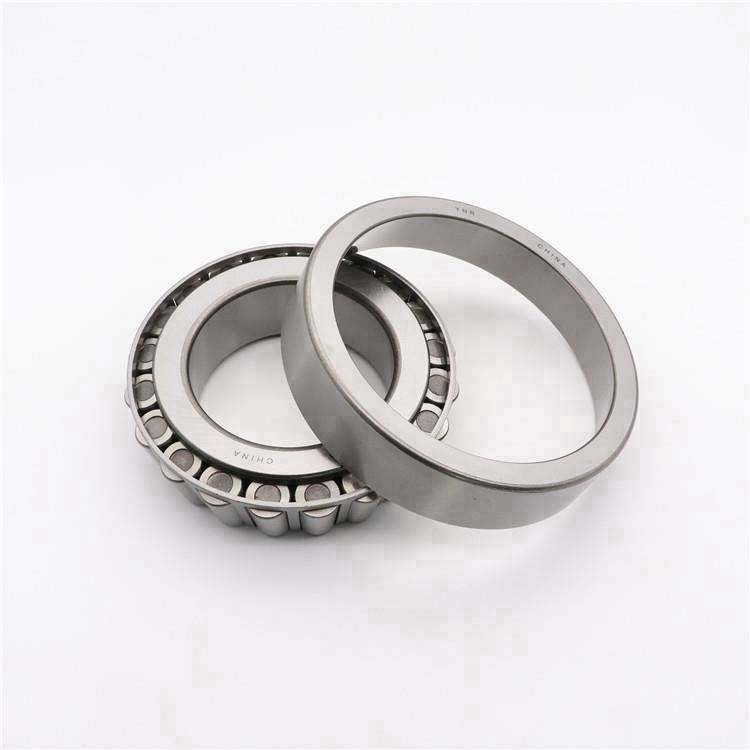
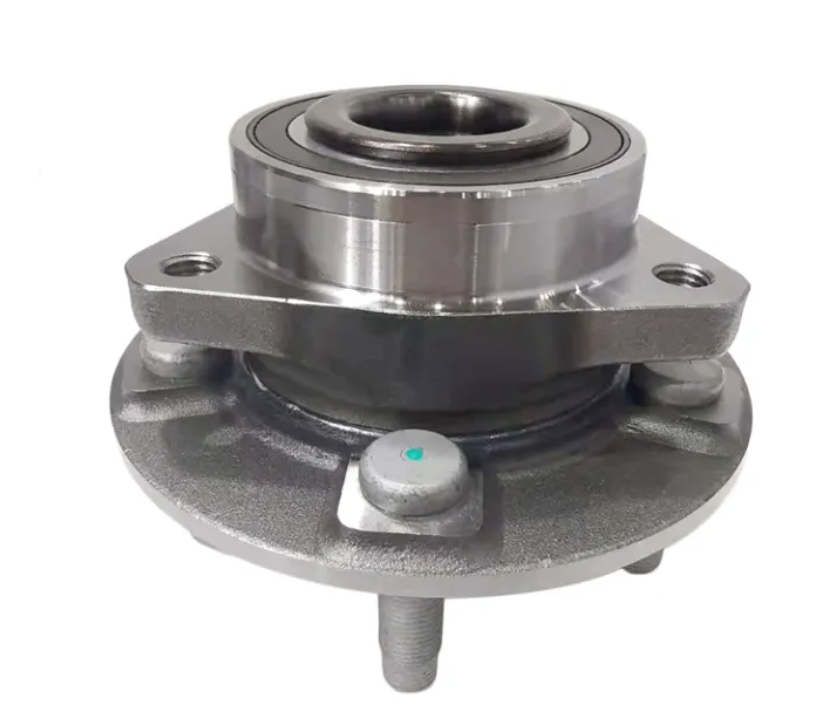
Selecting the correct hub unit requires careful consideration of multiple technical parameters. As a procurement professional, understanding these specifications helps you avoid costly mismatches and ensures optimal performance for your end application. Here are the key factors to evaluate when sourcing hub units.
Verify the exact vehicle make, model, year, and trim level before placing orders. Hub units vary significantly between applications, even within the same manufacturer's lineup. Request detailed fitment charts from your supplier and cross-reference part numbers with your bill of materials. Our technical team provides comprehensive compatibility verification services to eliminate ordering errors.
Hub units utilize different bearing configurations depending on the application requirements. Common types include first-generation (bearing only), second-generation (with ABS ring), and third-generation (integrated ABS sensor). Understanding which generation your application requires prevents functional mismatches and ensures proper integration with your vehicle's anti-lock braking system.
Evaluate speed ratings, load capacities, operating temperature ranges, and noise specifications against your application demands. Heavy-duty applications require hub units with higher load ratings and enhanced sealing capabilities. Our engineering team can recommend optimal specifications based on your specific usage conditions and performance expectations.
Use this comprehensive checklist to ensure your hub unit sourcing decisions address all critical procurement considerations. This systematic approach reduces risk and helps you identify the most suitable supplier for your long-term needs.
Procurement professionals frequently encounter challenges when sourcing hub units internationally. Understanding these common issues and their solutions helps you navigate the supply chain more effectively and avoid costly mistakes.
Solution: Always cross-reference part numbers using official OEM catalogs and verify fitment with your supplier's technical team. Maintain a master database of verified part numbers for each vehicle application to prevent ordering errors.
Solution: Work with established manufacturers who implement standardized quality control processes. Request batch-specific test reports and conduct incoming inspections to verify consistency. YZHB's lean production model ensures uniform quality across all production runs.
Solution: Specify rust prevention packaging requirements in your purchase agreements. Use desiccants, vapor corrosion inhibitors, and moisture-proof wrapping for ocean freight shipments. Our standard packaging includes multi-layer protection suitable for international transport.
Solution: Establish buffer stock levels and maintain communication with your supplier about production schedules. Partner with manufacturers who have adequate production capacity and raw material inventory. YZHB's 40,000 sqm facility with 2,000 staff ensures reliable supply continuity.
Solution: Choose suppliers offering dedicated technical support teams capable of addressing installation questions, failure analysis, and application optimization. Our professional service team provides comprehensive support throughout the customer relationship.
When evaluating potential hub unit suppliers, consider these key recommendations to build a resilient and cost-effective supply chain. These guidelines help procurement teams identify partners who can deliver consistent value over time.
Ensure your supplier has sufficient manufacturing capacity to meet your volume requirements without compromising quality. Look for facilities with documented production capabilities and proven track records of fulfilling large orders on schedule.
Direct manufacturers offer better pricing, technical expertise, and quality control compared to trading companies. Factory-direct sourcing eliminates intermediary markups and provides direct access to engineering support for complex applications.
Choose suppliers with demonstrated experience serving international markets. Their familiarity with export documentation, international shipping requirements, and diverse regulatory environments reduces friction in your procurement workflow.
Suppliers offering comprehensive bearing product lines simplify your sourcing process. Consolidating purchases with a single manufacturer reduces administrative overhead, improves logistics efficiency, and strengthens your negotiating position through volume aggregation.
Get answers to the most common questions buyers ask when sourcing hub units. This FAQ addresses technical specifications, procurement considerations, and supplier evaluation criteria.
First-generation hub units contain only the bearing assembly and require separate mounting components. Second-generation units integrate an ABS tone ring for anti-lock braking systems but still need external sensors. Third-generation hub units are fully integrated assemblies with built-in ABS sensors, offering the simplest installation and highest reliability. The choice depends on your vehicle's specific requirements and electronic systems.
Request sample units for thorough testing including dimensional verification, noise measurements, and load capacity tests. Ask for the supplier's quality certificates (ISO14001, IATF 16949) and review their quality control procedures. Conduct factory audits when possible to assess production capabilities and quality management systems firsthand.
Hub units require protective packaging that prevents corrosion, physical damage, and contamination during transit. Standard requirements include individual plastic wrapping, foam or cardboard separators, moisture-absorbing desiccants, and sturdy outer cartons. For ocean freight, specify vapor corrosion inhibitor packaging to protect against saltwater exposure.
Yes, high-quality aftermarket hub units are engineered to meet or exceed original equipment specifications. They serve as direct replacements with identical mounting dimensions, bolt patterns, and performance characteristics. Ensure your supplier provides fitment guarantees and compatibility documentation for each part number to confirm proper replacement.
Standard warranty terms typically range from 12 months or 20,000 kilometers, whichever comes first. Reputable suppliers stand behind their products with clear warranty policies covering manufacturing defects and premature failures. Review warranty terms carefully, including claim procedures, coverage limitations, and response timelines before finalizing your agreement.
Qingdao Yizhou Bearing Technology Co., Ltd. combines 35 years of industry heritage with modern manufacturing capabilities. Our ISO14001-certified facility produces hub units using Toyota's lean production model, ensuring consistent quality and competitive pricing. With exports to Russia, Central Asia, Southeast Asia, Africa, and the Middle East, we bring extensive international trade experience to every customer relationship.
About Us
Related Products List
Contact Us

Send Inquiry
Privacy statement: Your privacy is very important to Us. Our company promises not to disclose your personal information to any external company with out your explicit permission.
Fill in more information so that we can get in touch with you faster
Privacy statement: Your privacy is very important to Us. Our company promises not to disclose your personal information to any external company with out your explicit permission.