

Send Message
Privacy statement: Your privacy is very important to Us. Our company promises not to disclose your personal information to any external company with out your explicit permission.
 Qingdao Yizhou bearings technology co., ltd
Select Language
English


A cylindrical roller thrust bearing is a specialized type of rolling-element bearing designed to handle extremely high axial loads in a compact footprint. Unlike standard thrust ball bearings that use spherical balls, this mechanism utilizes cylindrical rollers arranged perpendicular to the axis of rotation.
This unique geometry allows for point contact between the rollers and raceways, significantly increasing load-carrying capacity while maintaining a low-profile design. For industrial applications involving heavy machinery, these bearings are essential for supporting massive vertical forces without compromising rotational speed or structural integrity.
Our cylindrical roller thrust bearings are engineered to support substantial axial forces, making them ideal for heavy-duty applications like marine propeller shafts and large gearboxes. The optimized roller profile distributes stress evenly across the raceway, extending service life under extreme conditions.
Designed with precision-ground raceways and optimized cage guidance, these bearings minimize friction and heat generation. This allows your equipment to operate at higher speeds than traditional thrust bearings, improving overall productivity and reducing energy consumption.
Achieve maximum load capacity within minimal axial space. Our designs allow you to reduce the overall size of your mechanical systems without sacrificing performance, leading to lighter, more efficient machinery.
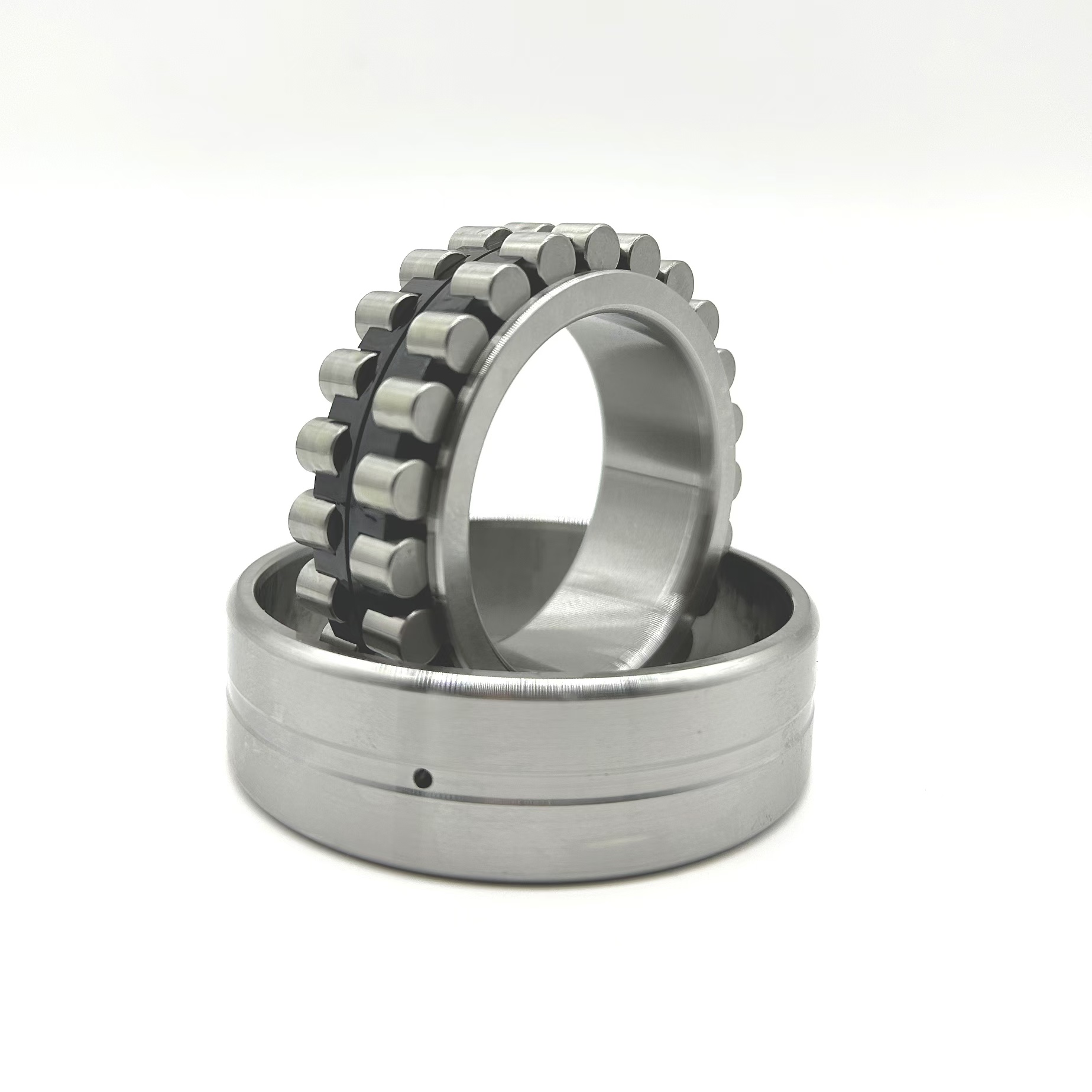
YZHB utilizes state-of-the-art CNC grinding and automated assembly lines to ensure every cylindrical roller thrust bearing meets micron-level tolerances. This consistency guarantees reliable performance in critical industrial environments.
Our manufacturing process is backed by ISO14001 certification and rigorous quality checks. From raw material selection to final inspection, we maintain strict standards to prevent defects and ensure long-term durability.
Since 2014, we have implemented Toyota's lean production model. This results in faster lead times and competitive pricing for bulk orders of cylindrical roller thrust bearings, helping you optimize your procurement costs.
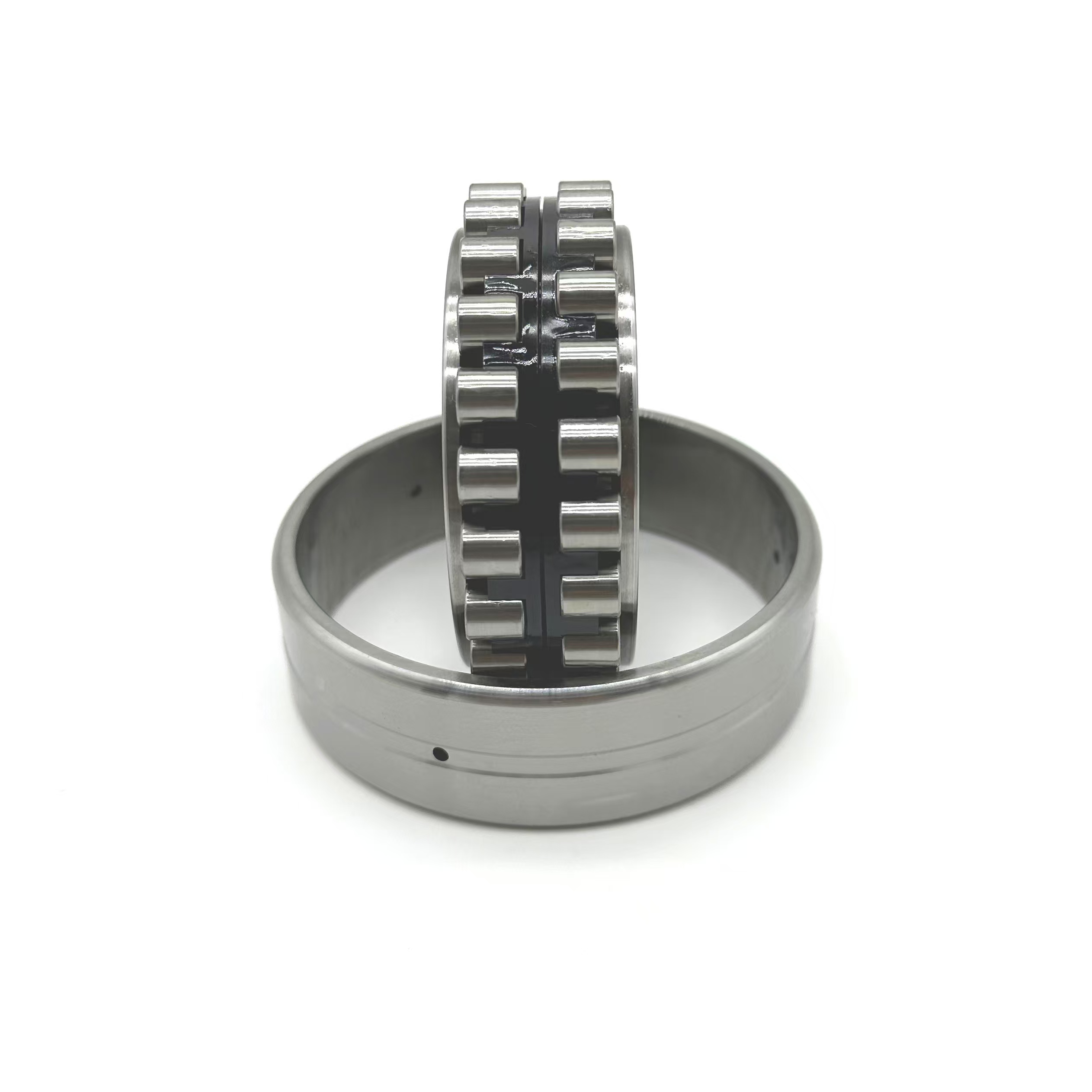
Determine the magnitude and direction of your axial load. Cylindrical roller thrust bearings excel in pure axial applications but can handle moderate combined loads if properly configured. Ensure your selected bearing has a sufficient dynamic load rating for peak operating conditions.
Check the limiting speed ratings based on lubrication method (oil vs. grease). High-speed applications require specific cage designs and active lubrication systems to prevent overheating and premature failure.
Measure the available axial space in your housing. These bearings offer high capacity in thin sections, but proper clearance calculations are vital for thermal expansion and preload adjustment.
Verify that the bearing steel grade matches your operating temperature and corrosion requirements. Standard chrome steel suits most environments, while stainless options are needed for corrosive settings.
Ensure the bearing design includes appropriate sealing to keep contaminants out and lubricant in. Open, shielded, or sealed variants should be selected based on your machine's exposure to dust and moisture.
Choose a manufacturer with proven experience in thrust bearing technology. Look for companies with ISO certifications, lean production capabilities, and a track record of serving international OEMs.
Assess the supplier's ability to provide engineering support for custom configurations. A knowledgeable team can help optimize bearing placement and improve your system's overall reliability.
Confirm production schedules and stock availability. Reliable suppliers maintain inventory of common sizes and offer consistent lead times to prevent downtime in your supply chain.
Look beyond unit price. Consider maintenance intervals, energy efficiency gains from reduced friction, and lifespan extension provided by high-quality materials and manufacturing.
Brinelling occurs when static loads cause permanent indentations in the raceway. To prevent this, ensure proper storage handling and use preloading mechanisms only when necessary. YZHB recommends using high-hardness steel alloys to resist deformation under extreme stationary loads.
Inadequate lubrication leads to rapid wear and overheating. Implement regular oil analysis schedules and consider synthetic lubricants for high-temperature applications. Proper seal selection is also critical to prevent lubricant contamination.
Improper installation causes misalignment and uneven load distribution. Use hydraulic heating tools for mounting and follow precise torque specifications. Our technical team provides detailed installation guidelines to ensure optimal alignment.
Handling massive axial thrust from propellers while resisting saltwater corrosion. Our bearings are built for harsh marine environments.
Supporting vertical shafts in industrial gearboxes where space is limited but torque is high. Ensures smooth power transmission.
Withstanding extreme pressures and vibrations in drilling equipment. Reliable performance in remote and demanding locations.
Cylindrical roller thrust bearings use straight rollers for pure axial load capacity in a very compact design. Tapered roller bearings can handle combined radial and axial loads but typically require more axial space. Choose cylindrical for pure thrust applications where space is constrained.
While primarily designed for axial loads, certain configurations can accommodate small radial components. However, for significant combined loads, a tapered roller bearing or angular contact ball bearing might be more suitable. Consult our engineers for complex scenarios.
Due to our lean production model and large-scale manufacturing facility, we offer competitive lead times. Standard sizes are often available from stock, while custom orders typically ship within 15-20 days depending on volume.
About Us
Related Products List
Contact Us

Send Inquiry
Privacy statement: Your privacy is very important to Us. Our company promises not to disclose your personal information to any external company with out your explicit permission.
Fill in more information so that we can get in touch with you faster
Privacy statement: Your privacy is very important to Us. Our company promises not to disclose your personal information to any external company with out your explicit permission.