

Send Message
Privacy statement: Your privacy is very important to Us. Our company promises not to disclose your personal information to any external company with out your explicit permission.
 Qingdao Yizhou bearings technology co., ltd
Select Language
English


A belt tensioner bearing is a critical automotive component designed to maintain optimal tension in serpentine and timing belts. This precision-engineered bearing ensures consistent belt performance, preventing slippage, reducing wear on engine accessories, and extending the service life of your vehicle's drive system.
For fleet managers and procurement specialists, understanding the role of belt tensioner bearings is essential for minimizing downtime and optimizing maintenance schedules. These bearings are specifically engineered to handle dynamic loads and high-speed rotation while maintaining precise alignment under varying temperature conditions.
Our belt tensioner bearings are manufactured using advanced metallurgical processes and rigorous quality control standards, ensuring reliable performance that meets or exceeds OEM specifications. Each unit undergoes comprehensive testing to verify load capacity, rotational smoothness, and long-term durability.
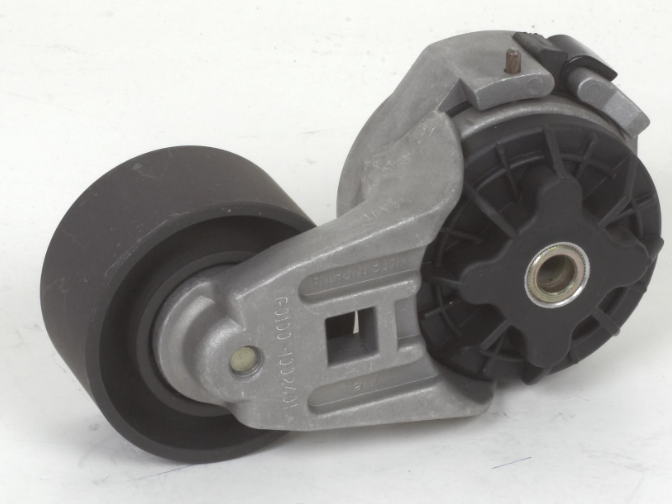
At Qingdao Yizhou Bearings Technology Co., Ltd. (YZHB), we combine 35 years of industry expertise with state-of-the-art manufacturing capabilities to produce belt tensioner bearings that deliver exceptional value. Our 40,000 square meter facility houses 7 specialized bearing production enterprises, each equipped with advanced CNC machining centers and automated assembly lines.
Lean Production Leadership: Since 2014, YZHB has implemented Toyota's lean production model, achieving remarkable efficiency improvements and consistent quality standards. This approach minimizes waste, reduces lead times, and ensures every belt tensioner bearing meets exacting tolerances required by global automotive manufacturers.
Technical Expertise: Our team of 300 high-end technicians brings deep specialization in tapered roller bearings, spherical roller bearings, and precision automotive components. Combined with 15 management personnel focused on continuous improvement and 100 sales reception staff dedicated to customer support, we provide end-to-end service excellence for international buyers.
Certified Quality Management: ISO14001 certified operations ensure environmental responsibility alongside product excellence. Every batch of belt tensioner bearings undergoes rigorous dimensional inspection, material verification, and performance testing before shipment, guaranteeing consistency across large-volume orders.
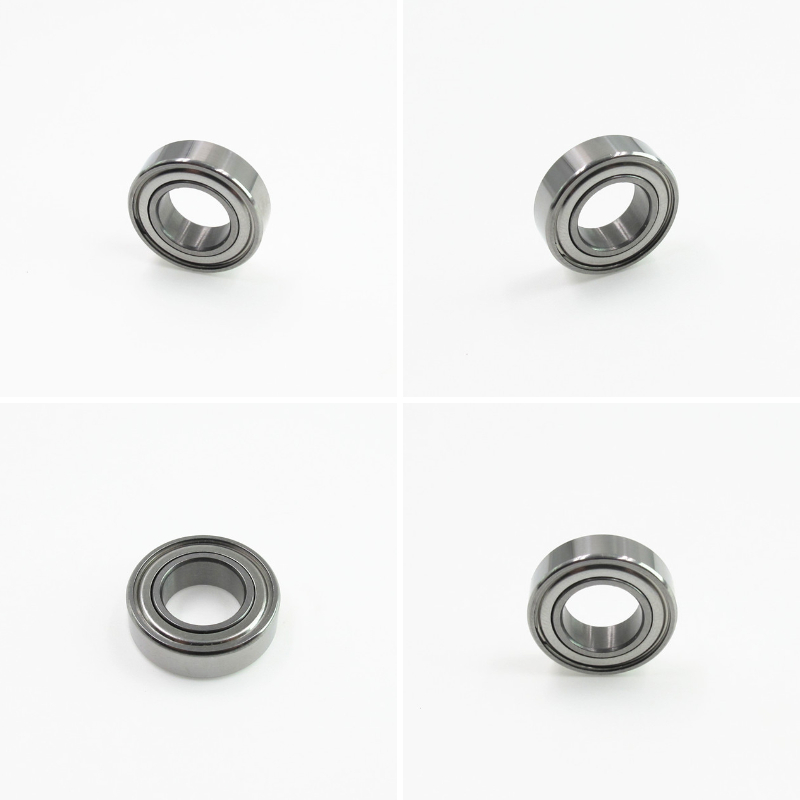
Selecting the correct belt tensioner bearing requires careful consideration of multiple technical and commercial factors. For procurement professionals managing diverse vehicle fleets or aftermarket distribution networks, making informed decisions prevents costly mismatches and ensures optimal performance across all applications.
Begin by verifying bore size, outer diameter, width, and mounting configuration against your application requirements. Belt tensioner bearings must match original equipment dimensions exactly to maintain proper belt alignment and tension geometry. Even minor deviations can cause premature wear or belt failure.
High-carbon chromium steel (GCr15) offers superior hardness and fatigue resistance for demanding applications. For corrosive environments or specialized industries, stainless steel variants provide enhanced chemical resistance without compromising mechanical performance. Consult our technical team for material recommendations based on your operating conditions.
Dynamic load ratings determine how much force the bearing can withstand during operation. Consider peak loads, shock loads from belt engagement, and sustained operational forces when selecting bearing type. Tapered roller bearings excel at handling combined radial and axial loads common in belt tensioner applications.
Ensure suppliers provide documented compliance with relevant international standards. ISO certification demonstrates commitment to quality management systems, while specific automotive standards like IATF 16949 indicate capability to serve OEM supply chains. Request test reports and material certificates for every purchase order.
Use this comprehensive checklist to evaluate potential suppliers and make confident purchasing decisions for belt tensioner bearings. Each criterion addresses key concerns that directly impact your total cost of ownership, supply chain reliability, and end-product quality.
Confirm supplier can meet your volume requirements with demonstrated capacity. YZHB's 40,000 sqm facility and 2,000 production staff ensure scalable output for both prototype runs and mass production orders without compromising quality.
Require documented ISO certification and traceable quality processes. Ask for recent audit reports and customer references. Lean production implementation since 2014 indicates mature quality systems capable of supporting international standards.
Evaluate responsiveness of engineering teams for specification queries and custom requirements. Professional service teams should provide detailed technical documentation, cross-reference guides, and application-specific recommendations within 24 hours.
Compare unit costs across qualified suppliers while considering total value. Higher quality at same price point delivers better ROI through reduced warranty claims and extended service intervals. Request tiered pricing structures for volume commitments.
Establish realistic delivery timelines and track historical on-time performance. Suppliers with established lean production practices typically achieve more predictable lead times. Factor in buffer periods for international shipping and customs clearance.
Review warranty terms, return policies, and technical assistance availability. Top-rated suppliers offer comprehensive support including installation guidance, troubleshooting resources, and replacement programs for defective units.
When sourcing belt tensioner bearings from international manufacturers, prioritize suppliers with proven track records in automotive component production. The following recommendations highlight key attributes to look for in a reliable bearing partner, with YZHB serving as an exemplary model for these criteria.
Look for suppliers with substantial production facilities and diversified product ranges. YZHB operates 7 integrated bearing production enterprises covering automotive wheel bearings, tapered roller bearings, spherical roller bearings, and specialized automotive components. This scale enables economies of scale and consistent supply continuity.
Choose suppliers with established export operations serving diverse geographic markets. YZHB actively serves Russia, Central Asia, Southeast Asia, Africa, and the Middle East, demonstrating cultural competency, logistics expertise, and adaptability to regional regulatory requirements and business practices.
Prioritize manufacturers who already supply internationally renowned auto parts companies and vehicle manufacturers. YZHB supports major OEM customers through compliant quality systems and responsive service teams, indicating capability to handle stringent automotive industry requirements for belt tensioner bearings and related components.
Select partners offering thoughtful, professional service throughout the procurement cycle. YZHB dedicates 100 sales reception personnel to customer support, providing personalized attention, rapid response times, and proactive communication. This investment in human resources translates directly to smoother transactions and stronger partnerships.
Belt tensioner bearings serve critical roles across multiple industrial sectors, from automotive manufacturing to heavy machinery operations. Understanding application-specific requirements helps procurement teams select optimal bearing solutions and anticipate performance expectations in different operating environments.
The primary application domain for belt tensioner bearings includes passenger vehicles, commercial trucks, and specialty automobiles. Modern engines use serpentine belt systems requiring precision tensioners to drive alternators, power steering pumps, air conditioning compressors, and water pumps simultaneously.
Tractors, combines, harvesters, and irrigation equipment rely on robust belt tensioner bearings capable of withstanding dusty conditions, vibration, and variable load profiles. Agricultural applications demand bearings with enhanced sealing protection and corrosion resistance for extended field service life.
Conveyor systems, crushers, and material handling equipment operate in extreme conditions requiring heavy-duty belt tensioner bearings. Mining applications necessitate bearings with high load capacities, excellent contamination resistance, and extended maintenance intervals to minimize costly downtime.
Precision medical devices such as imaging systems, laboratory analyzers, and surgical equipment require ultra-smooth, low-noise belt tensioner bearings. Medical applications prioritize quiet operation, cleanroom compatibility, and consistent performance over thousands of operational cycles.
Procurement professionals frequently encounter challenges when sourcing belt tensioner bearings internationally. Recognizing these common problems early and implementing preventive measures protects your supply chain from disruptions, quality issues, and unexpected costs.
| Problem Category | Typical Manifestation | Recommended Solution |
|---|---|---|
| Inconsistent Quality | Bearing dimensions vary between batches, causing fitment issues and premature failures in assembled products. | Require suppliers with documented quality management systems and statistical process control. Request incoming inspection reports and maintain sample archives for comparison. |
| Incorrect Specification Matching | Suppliers provide bearings that appear compatible but have subtle dimensional or tolerance differences from OEM requirements. | Provide complete technical drawings, part numbers, and application details. Verify cross-reference accuracy through physical measurement of supplied samples before committing to full orders. |
| Extended Lead Times | Delivery delays disrupt production schedules and create inventory shortages, forcing expedited shipping costs. | Establish clear lead time commitments in contracts with penalty clauses for delays. Maintain safety stock levels and diversify supplier base to mitigate single-source dependency risks. |
| Communication Barriers | Misunderstandings about technical requirements, packaging specifications, or shipping arrangements due to language differences. | Work with suppliers employing English-speaking technical sales teams. Use standardized documentation formats with visual aids and confirm understanding through written summaries after each discussion. |
| Packaging Damage | Belting tensioner bearings arrive damaged due to inadequate protective packaging during international transit. | Specify packaging requirements including moisture barriers, cushioning materials, and rigid containers. Conduct arrival inspections documenting any damage immediately for insurance claims and supplier feedback. |
| Certification Gaps | Suppliers cannot provide requested certifications or test reports, creating compliance risks for regulated industries. | Pre-qualify suppliers by verifying certification validity through independent databases. Include certification maintenance as a contractual obligation with regular renewal tracking responsibilities. |
These answers address the most common questions from procurement professionals evaluating belt tensioner bearing suppliers and specifications. Use this information to streamline your vendor assessment process and make informed purchasing decisions.
Automotive belt tensioner bearings primarily include tapered roller bearings, deep groove ball bearings, and angular contact ball bearings. Tapered roller bearings excel at handling combined radial and axial loads common in serpentine belt systems. Deep groove ball bearings offer smooth operation for lighter duty applications. Angular contact bearings provide precise preload control for high-performance engines. Selection depends on specific load requirements, speed ratings, and space constraints within the tensioner assembly design.
Quality verification begins with reviewing supplier certifications including ISO14001 and any automotive-specific standards. Request material test certificates confirming chemical composition and mechanical properties of bearing steel. Perform incoming inspection measuring critical dimensions against specification tolerances using calibrated gauges. Run functional tests checking rotational smoothness, noise levels, and preload consistency. For ongoing orders, implement sampling plans with defined acceptance criteria and require suppliers to provide lot traceability documentation.
Standard lead times for belt tensioner bearings range from 15 to 30 days depending on order volume, specification complexity, and current production scheduling. Suppliers with lean production implementations like YZHB typically achieve more predictable timelines through optimized workflow management. Expedited orders may be available at premium pricing. Factor additional time for international freight forwarding, customs clearance, and inland transportation when planning inventory replenishment cycles.
Yes, experienced bearing manufacturers offer customization services for unique application requirements. Customization options include modified bore diameters, specialized seal configurations, alternative cage materials, and tailored preload specifications. OEM customers typically work with engineering teams to develop bearing solutions matching exact vehicle platform requirements. Minimum order quantities apply for custom configurations, and development timelines include prototyping, validation testing, and production qualification phases.
Reputable bearing suppliers typically offer warranties covering manufacturing defects and material failures under normal operating conditions. Standard warranty periods range from 12 to 24 months from delivery date, though specific terms vary by supplier and application severity. Claims require proof of proper installation, correct specification selection, and adherence to recommended maintenance procedures. Leading manufacturers like YZHB provide responsive warranty processing through dedicated customer service teams with clear claim submission procedures and timely resolution commitments.
International suppliers often provide competitive pricing advantages due to lower manufacturing labor costs and economies of scale. However, total landed cost must include freight, duties, insurance, and currency exchange fluctuations. Suppliers offering "higher quality at the same price" deliver superior value through reduced warranty costs and longer service life. Request detailed quotations including all cost components for accurate comparison. Volume discounts and long-term partnership agreements further improve effective pricing for consistent buyers.
About Us
Related Products List
Contact Us

Send Inquiry
Privacy statement: Your privacy is very important to Us. Our company promises not to disclose your personal information to any external company with out your explicit permission.
Fill in more information so that we can get in touch with you faster
Privacy statement: Your privacy is very important to Us. Our company promises not to disclose your personal information to any external company with out your explicit permission.